
Tax residency and cross-border taxation

Know where you owe tax before you move

A practical walkthrough of how days present, permanent home and tie-breaker rules decide which country can tax your income, and what records to keep when two of them both claim you.

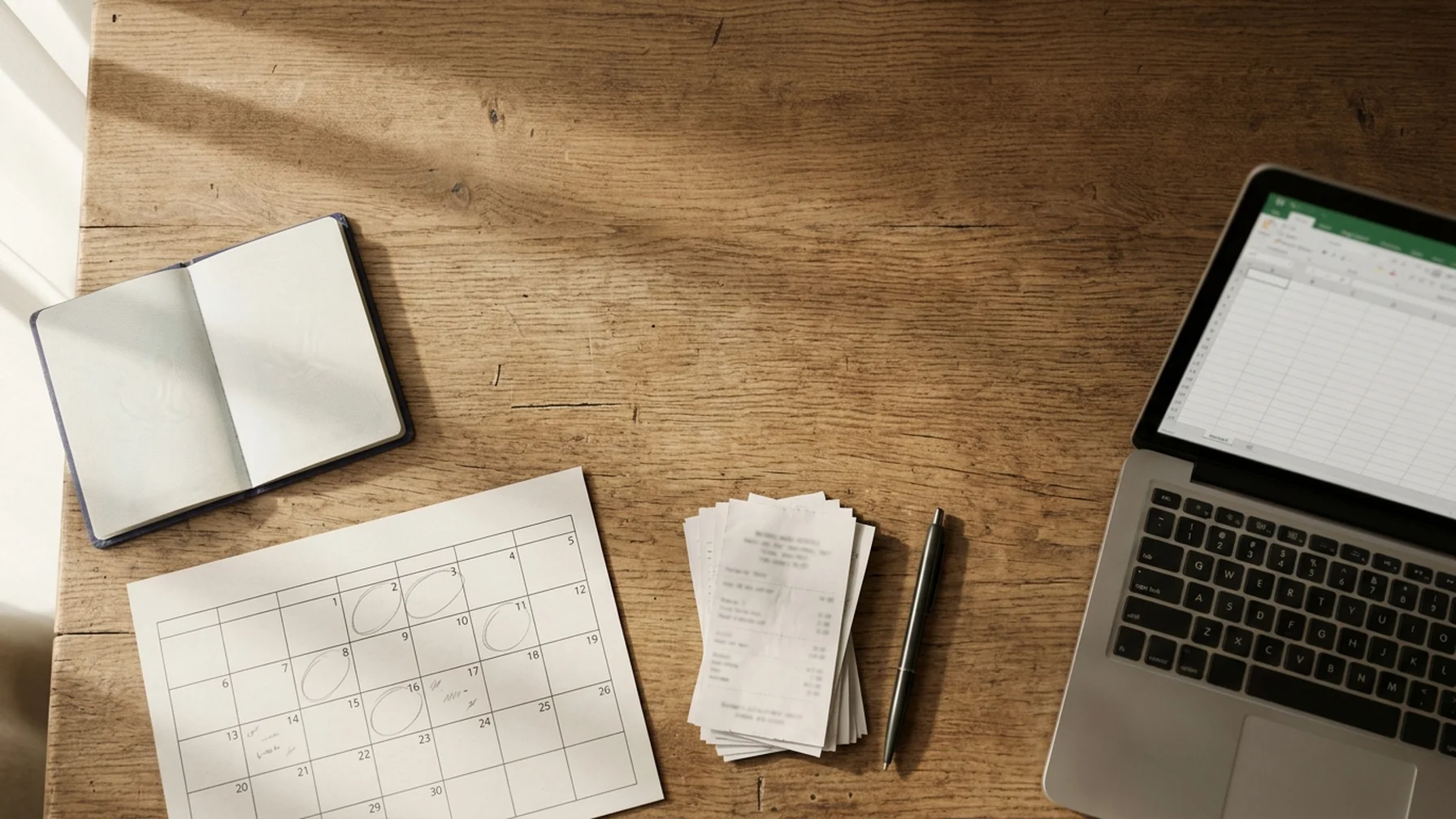
A wooden desk by a window with a passport, a paper calendar with dates circled, a folder of bank statements and a laptop showing a spreadsheet, morning light across the surface

Get the money side right before you move

Three practical guides to the tax, banking and visa decisions that trip up remote workers most often.

01

Know where you owe tax

Residency rules decide which country can tax your income, and the tests differ: day counts, where you keep a home, where your family lives. The guide walks through the common tests, how tax treaties split taxing rights, and which records to keep so you can show where you actually spent the year.

Tax residency guide


Passport, a small notebook of dated entries and a pen on a wooden desk beside a window

02

Bank across borders without surprises

Multi-currency accounts and local banks each fail in different ways: frozen transfers during verification, cards declined abroad, fees stacked on conversion. Compare how account types handle receiving client payments, holding several currencies, and proving your address when you have no fixed one.

Compare account options
Two bank cards and a phone showing a currency exchange screen on a cafe table

03

Pick the visa that fits your work

Remote work visas differ on income thresholds, whether you can take local clients, how long you can stay, and whether the time counts toward permanent residency. The guide sets out what each permit actually allows so you can match it to your contract type and how long you plan to stay.

Remote work visa guide
Laptop, folder of documents and reading glasses on a kitchen table in a rented apartment
A desk by a window with a passport, a paper calendar with days marked, a folder of receipts and a laptop showing a spreadsheet

Tax residency

Where you owe tax, not where you sleep

Most remote workers become tax resident somewhere by accident. The 183-day rule is common but not universal, and tie-breakers decide the rest.

  • Count days against each country's own rule, not a single global number
  • Check tie-breaker rules if you qualify in two places
  • Keep entry and exit records you can actually produce
Read the tax residency guides

Tax residency, explained before you move

Where you owe tax usually follows where you are treated as a resident, not where your clients are, so the paperwork order matters.

Passport, a small calendar with days marked, and a notebook on a wooden desk beside a window

How tax residency is decided

Most countries test residency by days present, a permanent home, or the center of your personal and economic interests. A 183-day rule is common but not universal, and some places count arrival and departure days differently. Read the actual test for the country you are entering, then check whether a treaty tie-breaker applies if two countries both claim you.

Read tax residency guides
Two stacks of official-looking papers with a pen and reading glasses on a table

Treaties and double taxation

A tax treaty sets which country gets to tax which income when both sides claim you. Tie-breaker rules usually run in order: permanent home, center of vital interests, habitual abode, nationality. Treaties do not remove filing duties, and they rarely help if you never establish residency anywhere. Keep entry and exit records, lease agreements, and client contracts so the sequence is provable.

Browse cross-border tax articles
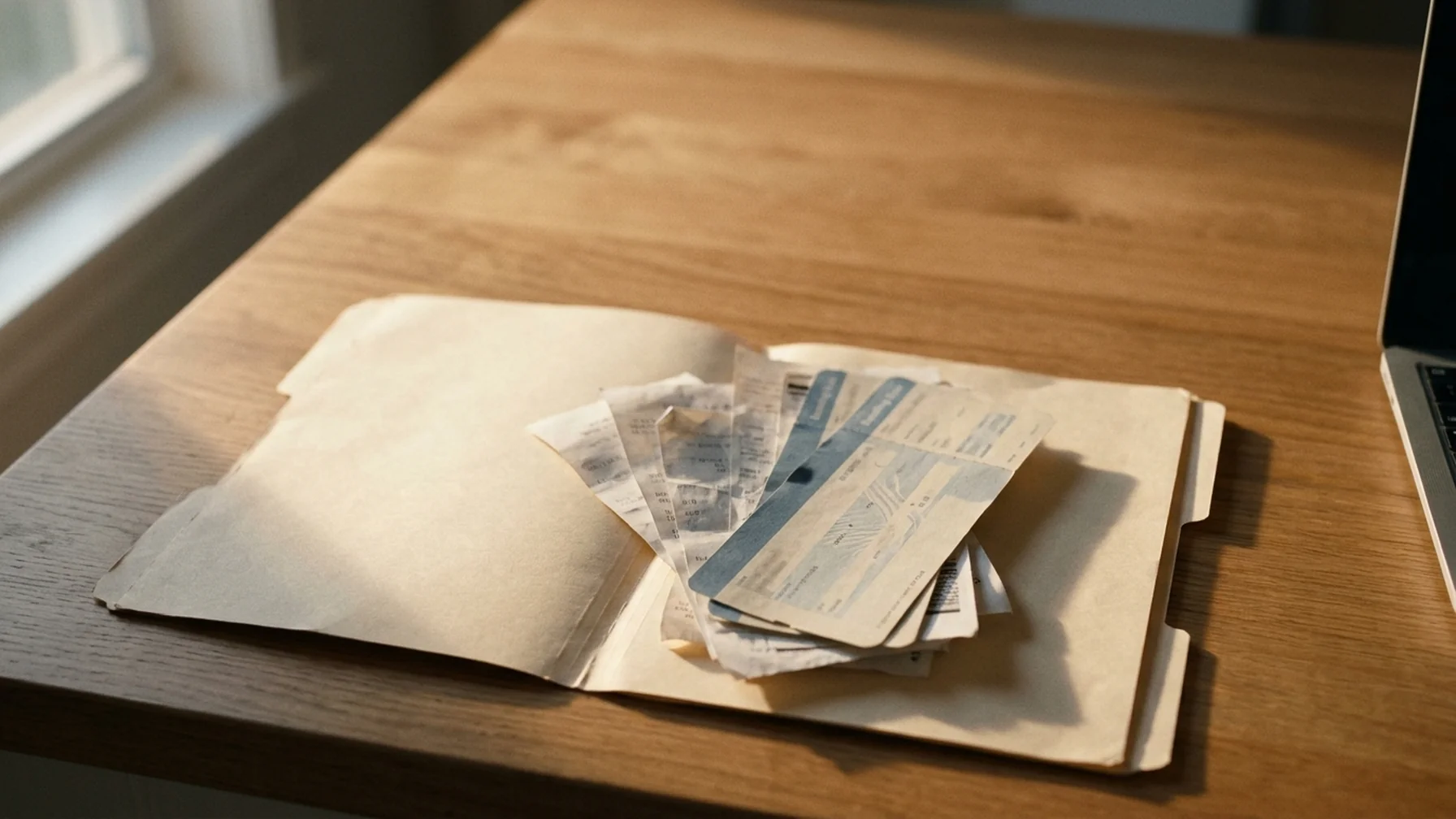
A folder of boarding passes and receipts next to a laptop on a kitchen counter

Records to keep from day one

Border stamps, boarding passes, accommodation invoices, and bank statements showing local spending are the evidence a residency claim rests on. Store them per country and per year rather than in one folder. If you plan to claim non-residency somewhere, note the date you left and what you kept there, because a retained home or family presence is often what triggers a continuing claim.

See record-keeping checklists

Tax residency

Where you sleep decides where you pay tax

Most countries count days present, not the address on your mail, so track your nights and keep entry records before you assume you owe nothing.

Read tax residency guides

Cross-border tax notes

Get one plain-language tax email each month

A short read on tax residency, treaty tie-breakers and filing duties when you work from more than one country.

Email only. No tax advice for your specific situation, and no sharing your address with third parties. Unsubscribe from any email.